Butterflies are not just pretty insects. They are indicator species! They tell us if the places we live and visit have clean air and water. Finding toads on your property and crayfish in a stream are also examples of indicator species. All these species indicate a clean environment. When I was young, the park I walked to from my home was full of butterflies. When the honeysuckle bloomed in June, it was covered in butterflies. Not just a few, but thousands! It looked and smelled amazing. This, to me, signified the beginning of summer.
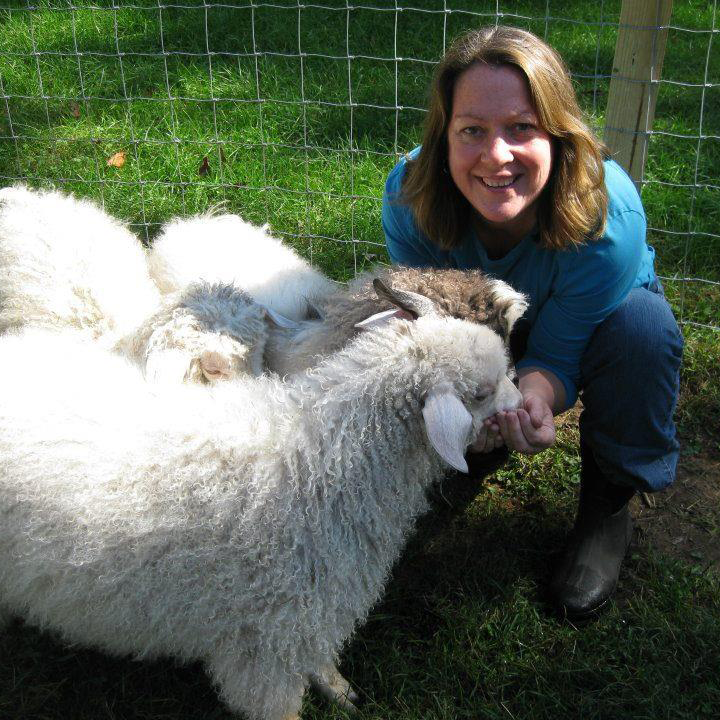
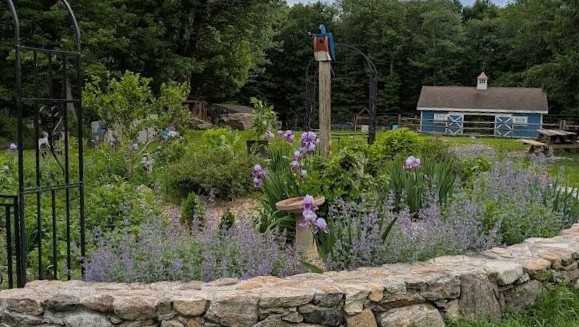
Today, it is hard to find butterflies. The use of pesticides and the destruction of habitat are all leading to the extinction of butterfly species. The Monarch Butterfly is our poster child for declining species. The Monarch has only one larval food, and that is the Milkweed. It will only survive if it is able lay its eggs on young milkweed! Since milkweed is poisonous to livestock, most farmers don’t want it around. I have it growing in my garden, and at the edges of the woods on my property. The goats and horses don’t seem to touch it.
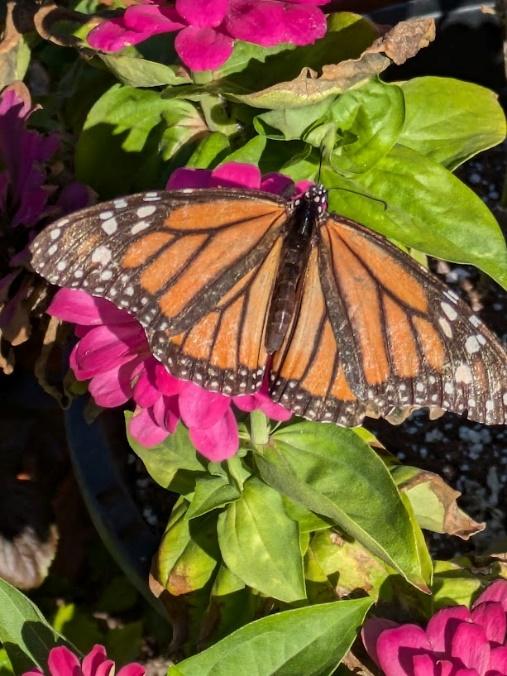
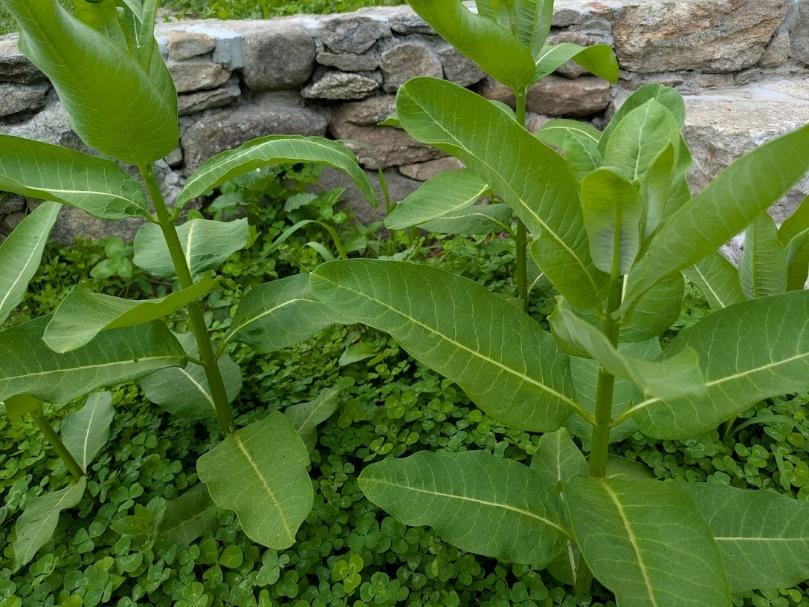
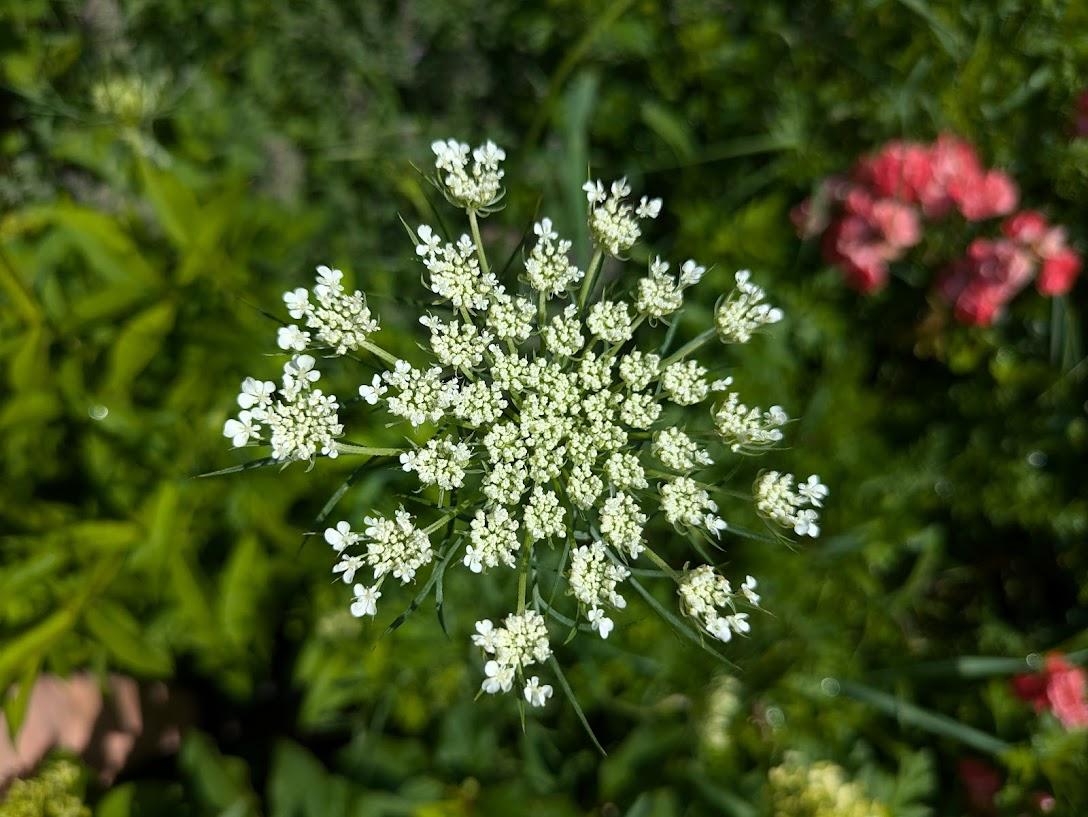
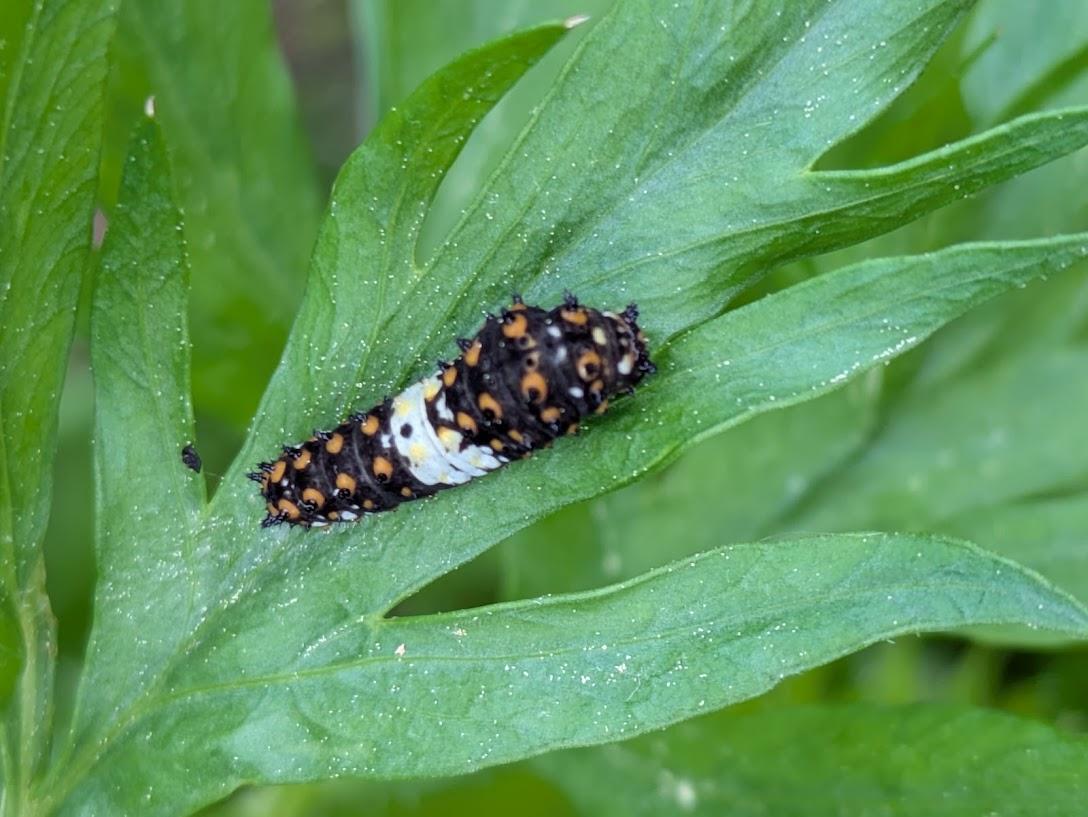
Having a beautiful garden of flowers doesn’t make it a butterfly garden. You need to have flowers for nectar, but you also need the right kind of flowers so a butterfly can reach the nectar with its proboscis. You also need plants that are food for larvae, or caterpillars.
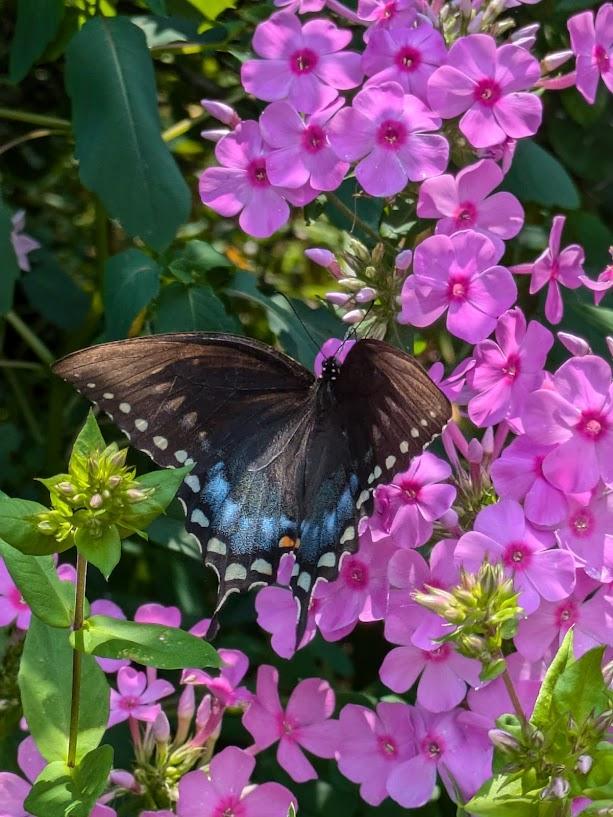
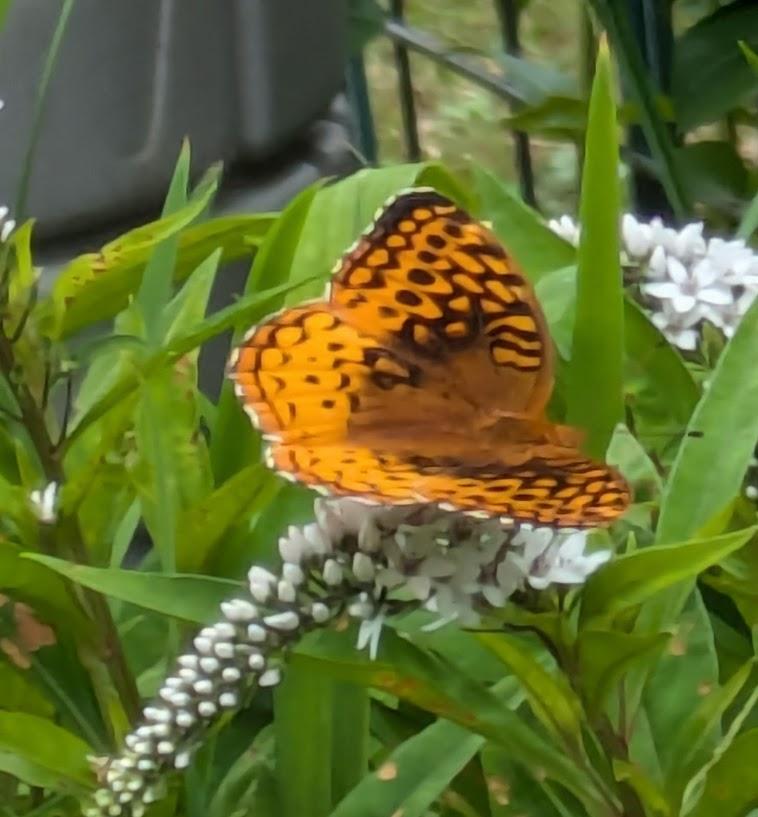
Meadow Fritillary
Host Plant: Violets
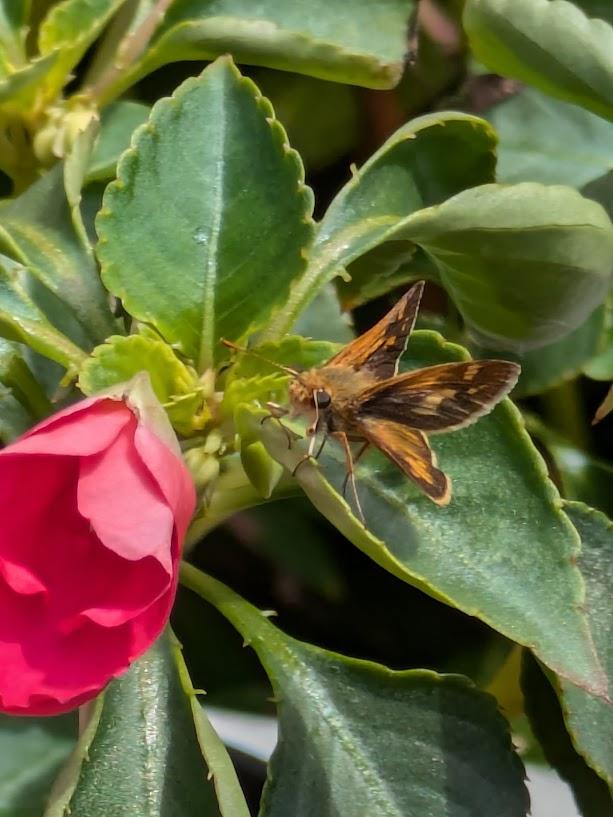
Skipper
Host Plant: Grasses
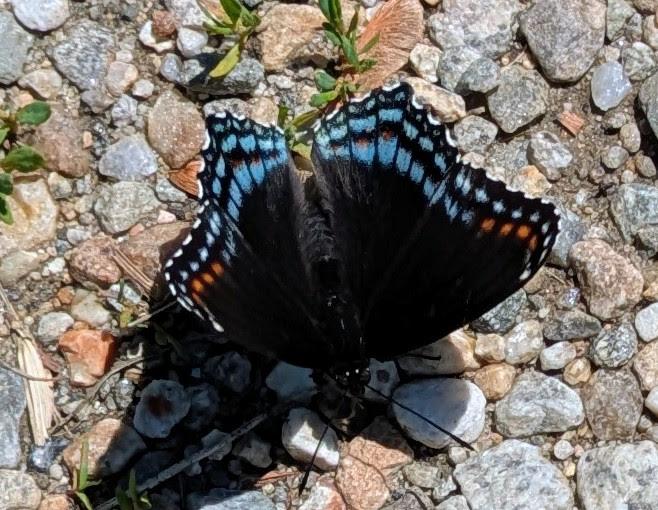
Red-Spotted Purple
Host Plant: Cherry, Birch
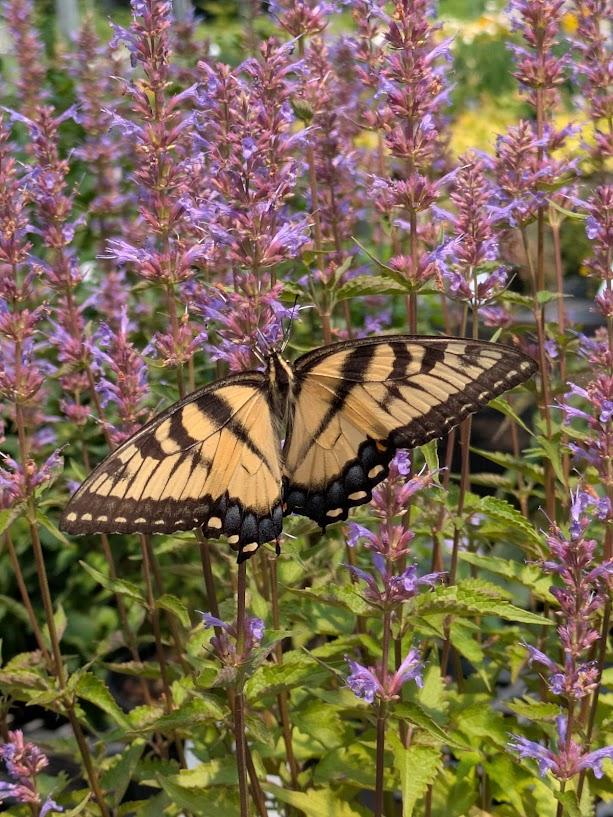
Tiger Swallowtail
Host Plant: Black Cherry, Tulip Trees
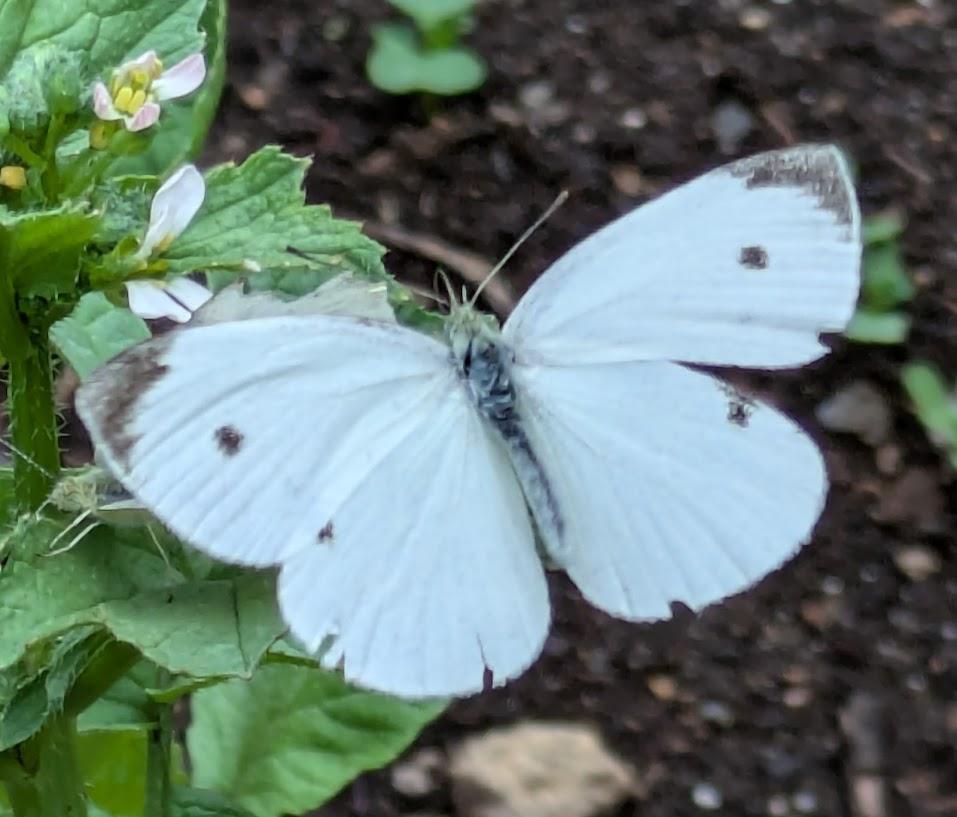
Cabbage Butterfly
Host Plant: Cabbage, Broccoli